


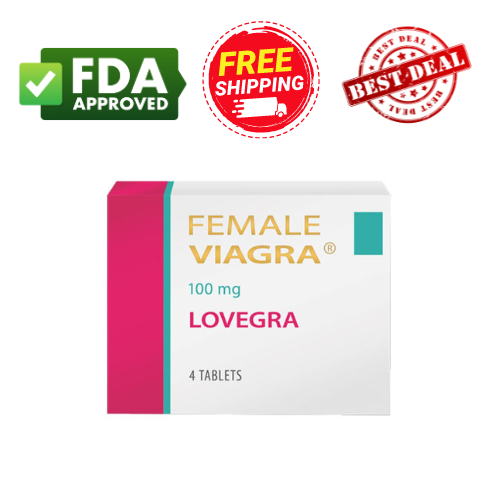
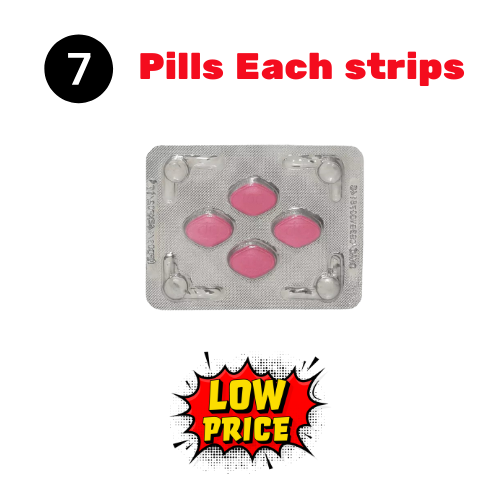



What is lovegra ?
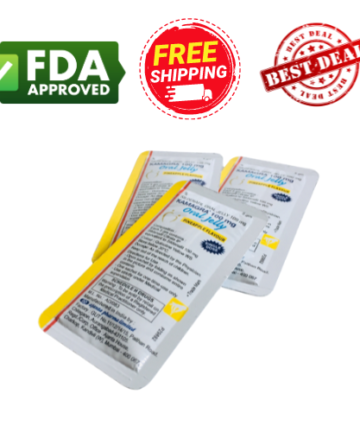
Lovegra 100 mg is a medication that is often referred to as “female Viagra.” It contains the active ingredient sildenafil citrate, which is also found in Viagra, a medication used to treat erectile dysfunction in men. Lovegra is specifically designed for women to address sexual dysfunction by increasing blood flow to the genital area.
Uses of Lovegra 100 mg
Treatment of Female Sexual Arousal Disorder (FSAD):
Lovegra is prescribed to women experiencing difficulties in achieving sexual arousal.
Improvement in Blood Flow:
The medication increases blood flow to the genital area, enhancing sensitivity and sexual response.
Enhancement of Orgasm:
Lovegra may help women experiencing difficulty reaching orgasm or reduced sexual satisfaction.
Improved Lubrication:
It may contribute to increased natural lubrication, making sexual intercourse more comfortable.
Dosages
The recommended dosage of Lovegra 100 mg should be followed as prescribed by a healthcare provider. It’s typically taken about 30-60 minutes before anticipated sexual activity.
Precautions and Contraindications:
Lovegra may have contraindications with certain medications or medical conditions. It’s crucial for women to disclose their complete medical history, including any medications they are currently taking, to their healthcare provider.
side effects of lovegra 100 mg
- Diarrhea
- Flushing
- Redness
- Heartburn
- Muscle pain
- Nosebleed
- Stuffy nose
- Runny nose
- Back pain
- Trouble sleeping
Storage/Stability
Tablets/injection: Store at 20?C to 25?C (68?F to 77?F); excursions are permitted to 15?C to 30?C (59?F to 86?F).
Oral suspension: Store unreconstituted powder below 30?C (86?F); protect from moisture. Store reconstituted oral suspension below 30?C (86?F) or at 2?C to 8?C (36?F to 46?F). Do not freeze. Discard unused Revatio oral suspension after 60 days.
Adverse Reactions
Based upon normal doses for either indication or route. (Adverse effects such as flushing, diarrhea, myalgia, and visual disturbances may be increased with adult doses >100 mg/24 hours.)
Cardiovascular: Flushing
Central nervous system: Dizziness, headache, insomnia, paresthesia
Dermatologic: Erythema, skin rash
Gastrointestinal: Diarrhea, dyspepsia, gastritis, nausea
Genitourinary: Urinary tract infection
Hepatic: Increased liver enzymes
Neuromuscular & skeletal: Back pain, myalgia
Ophthalmic: Visual disturbance (including vision color changes, blurred vision, and photophobia)
Respiratory: Epistaxis, exacerbation of dyspnea, nasal congestion, rhinitis, sinusitis
Miscellaneous: Fever



There are no reviews yet.